「憧憬 -われは海の子- 戦艦 長門 2588」
“Yearning, I Am a Child of the Sea, Battleship Nagato 2588”
戦艦「長門」は、世界7大戦艦(いわゆる「ビッグ7」)の筆頭格として数えられ、ワシントン海軍軍縮条約のきっかけともなった帝国海軍の象徴的戦艦です。完成した大正9年当時、世界初で最大口径の41cm主砲と、当時の戦艦の中では非常に高速と言える26.5ノット(公試26.443ノット)の機動力を持つ高速戦艦で、その竣工は列強諸国に大きな衝撃を与えました。大東亜戦争中、大和型戦艦の存在が極秘とされていたため、戦前戦中は「長門」と「陸奥」の2隻が帝国海軍を象徴する大戦艦として、国民から親しまれました。運用中に排煙が艦橋側へ流れ込む問題点が発覚し、就役後しばらくして煙突の改装が行われ、前部煙突が後方へ屈曲した特徴的な姿となり、その独特な姿の戦艦「長門」と「陸奥」が、広く認知されていました。特に当時の男子にとって、海軍に入りこのような大戦艦に乗る事は大いなる憧れでもあり、誉でもありました。そのような心情は、唱歌「われは海の子」を7番まで聞けば理解できます。
本作品は、呉軍港を離れ、海霧が晴れ行く大須瀬戸を出航していく戦艦「長門」を、地元の漁師一家が見送るシーンを描いたものです。安芸小富士を背に悠然と進む「長門」を望み、櫓をかく父親と祖父を背に手を振る子。その目線の先には水兵として艦に乗り組む兄が、艦上で必死に帽を振っています。いずれ兄の背中を追い、この弟も海軍に入隊する事になるのでしょうか。海に生きる一家の行く末に思いを馳せてみて下さい。
【画集第2弾 好評発売中!】
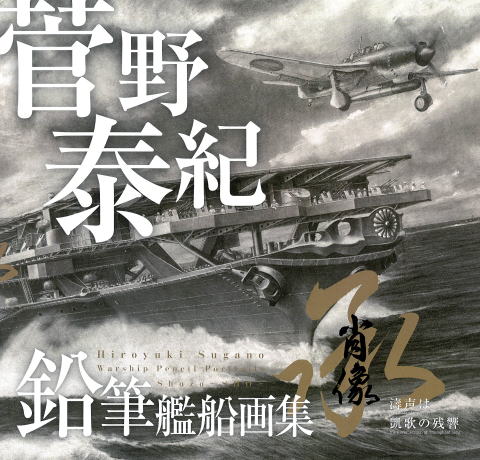
菅野泰紀鉛筆艦船画集
「肖像 -承- 濤声は凱歌の残響」
Hiroyuki Sugano Warship Pencil Portraits
“Shozo - SHO - The Roar of the Waves,
the Reverberation of Triumphant Song”
総頁数:156P 販売価格:4,400(税込*)*BOOTH価格は梱包・送料込
収録作品:79点(帝国海軍艦艇/海自艦艇/外国海軍艦艇)
仕様:見開きにズレが無く、ほぼ水平に開くク―タ・バインディング製本
Total number of pages: 156p
Price: 4,400(tax included*)*BOOTH price includes packing and shipping costs.
Included works: 79 pieces (IJN, JMSDF, US, British, French, German
and Italian Navy vessels)
Specifications: PUR binding with no misalignment of spreads and horizontal
opening.
The battleship Nagato was the leading battleship of the world's seven great
battleships (the so-called "Big Seven") and was the symbolic
battleship of the Imperial Japanese Navy that triggered the Washington
Naval Treaty. When she was completed in 1920, she was equipped with the
world's first and largest caliber 41cm main guns and had a maneuverability
of 26.5 knots (official test 26.443 knots), which was extremely high speed
for a battleship of that time, and her completion had a great impact on
the world powers. During the Greater East Asian War, the existence of the
Yamato class battleships was considered top secret, so before and during
the war, the two ships, Nagato and Mutsu, were familiar to the public as
the symbolic warships of the Imperial Japanese Navy. represented the Imperial
Japanese Navy in the hearts of the people. A short time after commissioning,
the chimneys were refurbished, giving the battleships Nagato and Mutsu
a distinctive appearance with the front chimney bending backward, and their
unique appearance was widely recognized. Especially for the boys of that
time, it was a great longing and honor to join the Navy and sail on such
a large battleship. You can understand that emotion by listening to the
song, “We are children of the Sea” in its entire 7 verses.
This work shows the Nagato having left Kure Military Port and passing through
the Osuseto channel, local fishermen are watching her depart. The child
waves his hand in front of his father and grandfather, who are standing
on the oars, with a view of the Nagato, which is moving forward with Akinokofuji
in the background. Ahead of the child's eyes, his older brother, a sailor
aboard the ship, is frantically waving his cap on board. Will this younger
brother eventually follow his older brother's back and join the Navy? Please
ponder the future of a family that lives by the sea